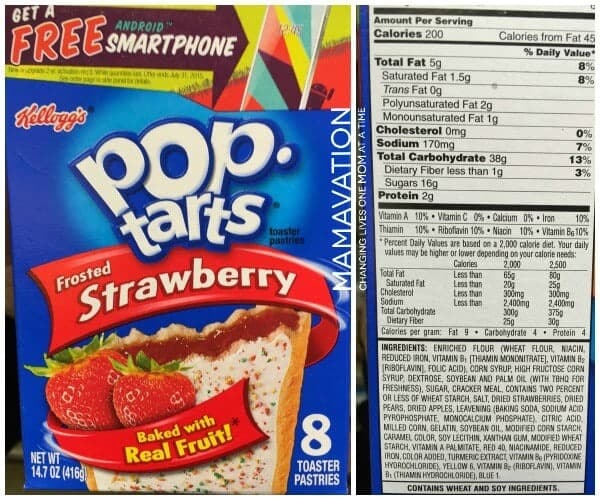
The real question is, do you know what you’re actually eating?
The purpose of this post is to provide a handful of resources that can help you navigate our processed food system and a knee-deep level of education.
The ultra-processed nature of many of the foods in America seems to be fertile ground for planting seeds of change. Generally, I consider myself to be reasonably “healthy.” But, as Mark Twain famously said, “It’s not what you don’t know that gets you in trouble. It’s what you know for sure that just ain’t so.” After realizing there are many potentially trivial ingredients unknown to me in things I’m consuming regularly, I decided to go on a journey of discovery and create a mini-encyclopedia. I have found EWG’s Guide to Products, Foods, & Healthy Living to be one of the best resources for filtering many items that can be confusing. And beyond foods, I found this report on plastics to be extremely helpful.
I am not a doctor nor do I claim to be an expert of any kind in health & wellness. I am just a curious pleb trying to share with my fellow citizens. Do your own research and consult with a licensed doctor, physician, or nutritionist for professional help or advice on what to eat and develop a plan tailor fit to your lifestyle and nutritional optimization.
Food Ingredients
- Tapioca Fiber (Aloha Protein Bar)
- What it is: Tapioca fiber is a pre-biotic fiber derived from the cassava (tapioca) root plant. It’s commonly used as a functional fiber in food products.
- Health consensus: Generally considered beneficial when properly processed. Tapioca fiber offers several health benefits, including supporting healthy gut bacteria growth, strengthening the immune system, improving bowel health, and aiding in weight and cholesterol management. It’s particularly effective for lowering LDL cholesterol levels, potentially reducing the risk of heart disease.
- Caution: Improperly processed cassava products may contain toxic compounds. Also, excessive fiber consumption can cause gas, bloating, and constipation.
- Cane Sugar
- What it is: Cane sugar is derived from sugar cane plants and undergoes less processing than white refined sugar, retaining some molasses and moisture from the plant.
- Health consensus: Despite marketing claims, cane sugar is not healthy. Although it contains trace amounts of minerals and vitamins (17 amino acids, 11 minerals, and 6 vitamins including calcium, potassium, and iron), these amounts are “so minimal that they are not of any benefit”. With a glycemic index of 30-40 (compared to refined sugar’s 65), it’s marginally better than white sugar but still contributes to health problems associated with sugar consumption.
- Bottom line: Is organic cane sugar healthy? No, it really isn’t.
- Vanilla Extract (Sweetener)
- What it is: Vanilla extract is a concentrated solution made by soaking vanilla beans in a solution of ethyl alcohol and water. Commercial vanilla extract typically contains 35-40% alcohol.
- Health consensus: It is safe and well-tolerated when used in typical culinary amounts. It offers potential antioxidant and anti-inflammatory benefits, though these are not conclusively proven in humans. Its nutritional value is negligible, and risks are minimal except for rare allergies or misuse in large quantities. For most people, vanilla extract can be considered a healthy flavoring option when used appropriately.
- Tapioca Syrup (Sweetener)
- What it is: Tapioca syrup is a sweetener derived from cassava starch through hydrolysis, resulting in a syrup with glucose and maltose.
- Health consensus: Mixed. On the positive side, tapioca syrup is allergen-free, gluten-free, and generally non-GMO. However, it poses health concerns including:
- Vegetable Glycerin (Sweetener)
- What it is: Vegetable glycerin (glycerol) is a sugar alcohol used as a solvent, humectant (softening agent), sweetener, or preservative in foods, beverages, and cosmetics.
- Health consensus: The FDA classifies vegetable glycerin as “generally recognized as safe.” It’s used in foods, pharmaceuticals, and cosmetics. However, when used in vaping products, it can irritate airways and potentially damage lung tissue.
- Milk Protein Concentrate (Jocko Molk Protein Shake)
- What it is: Milk protein concentrate (MPC) is developed from pasteurized skim milk through diafiltration, ultrafiltration, and spray drying. It contains milk proteins (whey and casein) in the same ratio found in milk, with reduced fat, salt, and lactose content.
- Health consensus: Research indicates significant health benefits. A clinical study showed that daily intake of 30g of MPC for 8 weeks improved several health markers in women with obesity, including reduced BMI, waist circumference, fat mass, appetite, fasting blood sugar, insulin, and LDL cholesterol, while increasing HDL cholesterol and adiponectin levels.
- Counter argument: MPC has the potential to cause allergic reactions, digestive issues, and there are questions about long-term effects on kidney and liver health—especially at high intakes or in vulnerable individuals. Additional concerns include possible contamination with toxins in some products, poor solubility affecting food applications, and unresolved questions about its impact on acne, gut health, and cardiovascular risk. These factors suggest that while MPC can be beneficial for many, it is not universally risk-free and should be used with awareness of individual health status and product quality.
- Calcium Caseinate
- What it is: Calcium caseinate is a high-quality milk protein product manufactured from fresh pasteurized skimmed milk through acid precipitation of the casein followed by neutralization with calcium hydroxide and drying.
- Health consensus: Mixed. While it provides high-quality protein, several concerns exist:
- May cause digestive issues for lactose-intolerant individuals
- Processing with calcium hydroxide may affect digestive system nutrient absorption
- High-heat processing creates ultra thermolyzed protein and MSG byproducts, potentially causing headaches, chest pain, nausea, and weakness
- Undigested protein may form carcinogenic compounds in the colon
- May affect blood pressure and interfere with medication absorption
- “Natural Flavors” (This one is really my favorite)
- What it is: The FDA defines natural flavoring as “the essential oil, oleoresin, essence or extractive, protein hydrolysate, distillate, or any product of roasting, heating or enzymolysis, which contains the flavoring constituents derived from” natural sources such as plants, meat, or dairy products.
- Health consensus: Generally considered safe. The FDA requires natural flavorings to be safe for consumption and derived from natural sources. However, “natural” has no legal definition, and such products may still undergo significant processing.
- Allulose (Aka Sugar…“sugar, you’re addictive and so ruthless.” – Sofi Tukker)
- What it is: Allulose is a low-calorie sugar substitute containing about 70% of the sweetness of sucrose but 95% fewer absorbable calories. It’s chemically similar to fructose but with a different structure that humans cannot metabolize.
- Health consensus: Generally regarded as safe (GRAS) by the FDA. Allulose doesn’t spike blood sugar or insulin levels because it’s primarily excreted rather than metabolized. However, consuming large amounts can cause gastrointestinal side effects including bloating, gas, diarrhea, and stomachache. Research suggests limiting intake to 0.4g per kg of body weight in a single serving
- Reb-M (Rebaudioside M) (Sweetener)
- What it is: Rebaudioside M is a steviol glycoside extracted from the stevia plant, used as a non-nutritive sweetener.
- Health consensus: Generally recognized as safe (GRAS) by the FDA for use as a table-top sweetener and general-purpose non-nutritive sweetener. Safety studies have shown no concerns regarding genotoxicity or other health issues.
- Cellulose Gum (Stabilizer)
- What it is: Cellulose gum (carboxymethyl cellulose, CMC) is a food additive derived from cellulose used to thicken and stabilize a variety of foods.
- Health consensus: Mixed. The FDA considers cellulose “neither hazardous nor dangerous,” and allergic reactions are extremely uncommon. However, a 2015 study suggested cellulose can alter gut flora and cause inflammatory bowel diseases. It has no nutritional value but likely carries lower risk than many other food additives.
- Sunflower Lecithin (Emulsifier)
- What it is: Sunflower lecithin is a natural emulsifier sourced from the oil-bearing sunflower kernel, created by dehydrating a sunflower and separating it into oil, gum, and solids.
- Health consensus: Generally considered beneficial. Studies show sunflower lecithin may help lower cholesterol levels, improve digestive health, and boost brain health due to its high choline content. It’s organic, non-GMO, non-allergenic, and considered a safer alternative to soy lecithin.
- Potassium Citrate (Stabilizer/Preservative)
- What it is: A potassium salt of citric acid with a slightly saline, tangy taste, used as a food additive (E332) to regulate acidity, enhance flavor, a preservative, emulsifier, and sequestrant (prevents fat oxidation & spoilage). It comes from citrus fruits and is also manufactured for processed foods.
- Health consensus: Potassium citrate is a widely used, FDA-approved food additive that serves multiple roles in processed foods and beverages. At the levels used in foods, it is considered safe. For the general population, potassium citrate as a food ingredient poses minimal risk and is not a health concern when consumed in moderation. It’s a good indicator that whatever you’re eating/drinking is processed.
- Gellan Gum (Stabilizer)
- What it is: Gellan gum is a food additive used as a stabilizer and thickening agent.
- Health consensus: Generally considered safe. The European Food Safety Authority found that gellan gum is “unlikely to be absorbed intact and would not be fermented by human intestinal microbiota.” No concerns were identified regarding genotoxicity or carcinogenicity, and no adverse effects were reported in chronic studies at high doses in animals or humans.
- Locust Bean Gum (Stabilizer)
- What it is: Locust bean gum (carob gum) is a natural food additive from the carob seeds of the carob tree, primarily used as a thickening and stabilizing agent in foods.
- Health consensus: Generally considered beneficial. Research suggests locust bean gum may benefit several health concerns, including diabetes, heart disease, digestive health, and potentially colon cancer. It’s gluten-free and provides significant dietary fiber.
- Chicory Root Fiber (Chobani Zero Sugar Yogurt)
- What it is: Chicory root fiber comes from a plant with bright blue flowers belonging to the dandelion family. It’s primarily composed of inulin, a type of prebiotic fiber.
- Health consensus: Generally considered beneficial. As a prebiotic, it encourages the growth of healthy gut bacteria, which play a role in reducing inflammation and improving mineral absorption. Studies suggest it can relieve constipation, increase bowel movement frequency, and support overall digestive health. However, it may cause bloating in some people.
- Sorghum
- What it is: A naturally gluten-free whole grain commonly used as a cereal, flour, or syrup. It is rich in dietary fiber, resistant starch, plant protein, vitamins (B6, niacin), minerals (iron, magnesium, phosphorus), and phytochemicals with antioxidant properties.
- Health Consensus: Generally considered healthy. Consumption is linked to multiple health benefits, including improved digestive health, better blood sugar control, and reduced inflammation due to its fiber and polyphenol content. Human studies show positive effects on oxidative stress, blood glucose, and lipid profiles, though more clinical trials are needed for confirmation. It may help regulate lipid levels, support satiety and weight management, and provide pre-biotic effects for gut health.
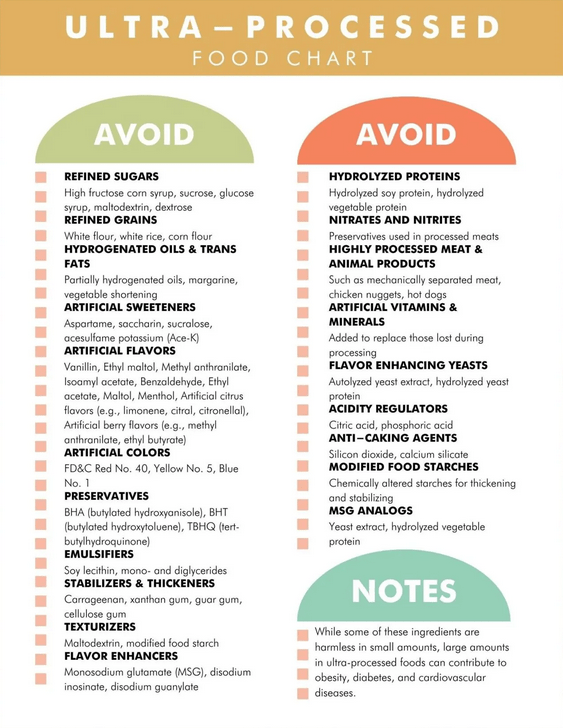
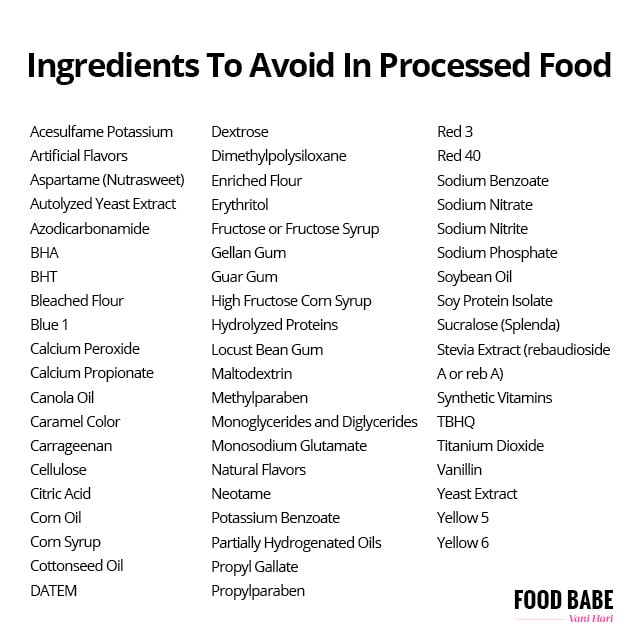
Ultra-Processed Foods Charts
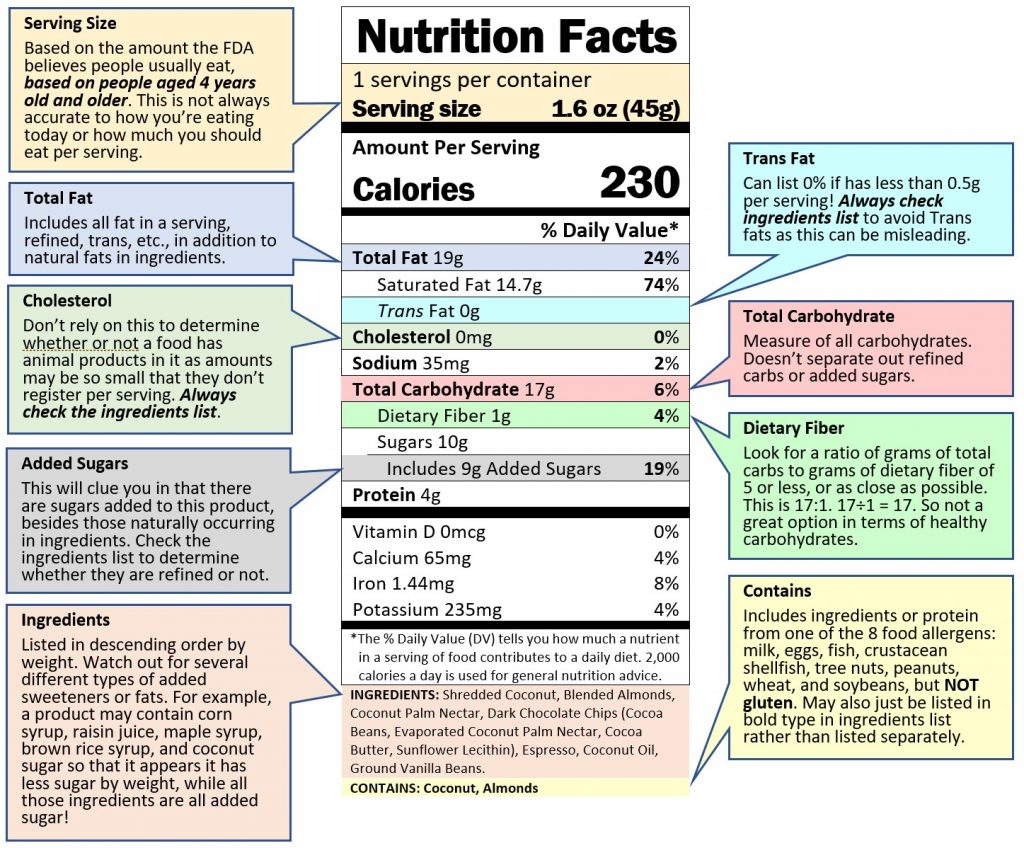
Here are some one page charts I found helpful. You can print and pin on your fridge if you really want to try and root out as many processed and bad ingredients as possible.
Conclusion
The dose makes the poison. While I wish it was easier to eat 100% fresh, whole foods in every component of my diet, my guess is that the stress, anxiety, or obsession over avoiding a bad ingredient will result in more negative health consequences relative to a few grams of sugar here or there. That doesn’t mean gorge yourself on processed foods. Understand your hierarchy of needs and nutritional values. Try to eat 80-90% whole foods that come directly from the Earth, and you’ll probably be fine.
And, even though I consider myself a “fuel eater,” I too, like to indulge in food for foods sake, especially when traveling or celebrating a special event. Food is core to our being across all cultures and time. It is an art form, a source of play, of magic, a dance of creativity, and sits at the root of many traditions and joy dating back to the Genus Homo.
 Philoso-Feed